Escalating Iran–Israel War Raises Global Security Concerns
Introduction
The ongoing conflict between Iran and Israel has intensified in 2026, raising serious concerns about regional stability and international security. The growing tensions between the two nations have resulted in military strikes, missile attacks, and increased diplomatic pressure from global organizations. Experts warn that the situation could escalate further if immediate steps are not taken to control the conflict.
In recent months, the relationship between the two countries has become increasingly strained, with both sides accusing each other of threatening regional peace and security. Political leaders and military officials have exchanged strong statements, further increasing tensions and raising fears of a prolonged confrontation. The developments have drawn global attention as many nations closely monitor the situation and its potential consequences.
The escalation of hostilities has also created uncertainty across the Middle East, a region already affected by complex geopolitical challenges. Analysts believe that continued confrontation between Iran and Israel could destabilize nearby countries and disrupt international diplomatic efforts aimed at maintaining peace in the region.
As the conflict continues to develop, governments, international organizations, and security experts are urging both nations to pursue dialogue and diplomatic solutions. Observers emphasize that peaceful negotiations and cooperation will be essential to prevent the situation from evolving into a larger regional crisis that could have far-reaching political, economic, and humanitarian impacts.
Background of the Conflict
The hostility between Iran and Israel has existed for several decades due to political, military, and ideological differences. Israel has long expressed concerns about Iran’s military activities and its influence in the Middle East. On the other hand, Iran has criticized Israeli policies and actions in the region.
In recent weeks, tensions escalated following reports of coordinated airstrikes on strategic locations within Iran. These attacks reportedly targeted military bases, missile storage facilities, and other strategic infrastructure. Iranian authorities condemned the strikes and described them as a violation of national sovereignty and international law.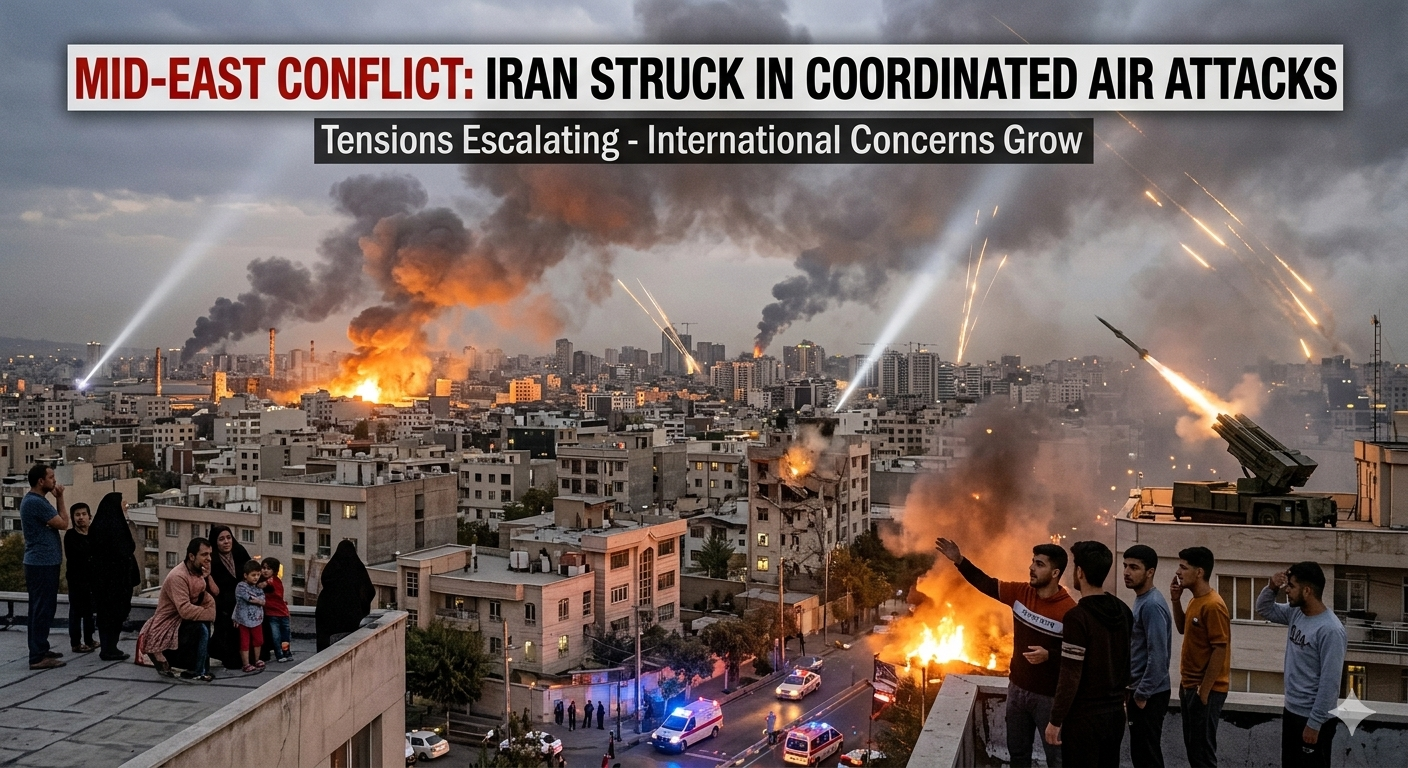
Military Escalation
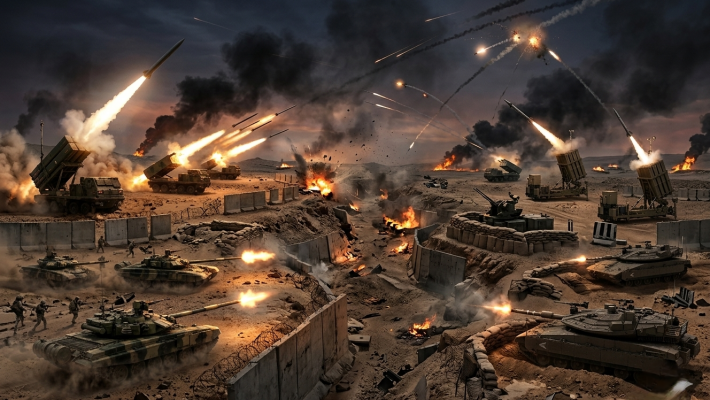
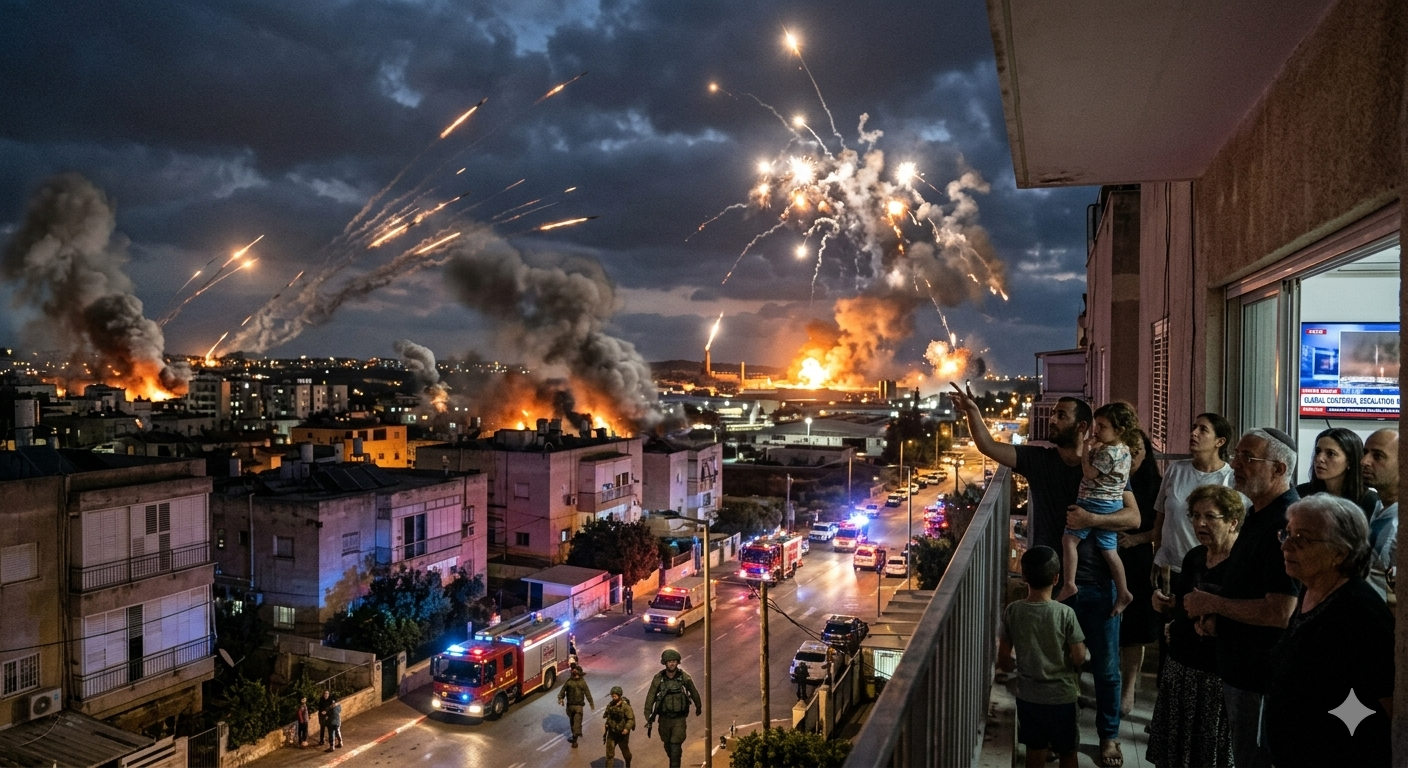
Following the attacks, Iran launched a series of ballistic missiles and armed drones toward Israeli territories and military installations. Several cities in Israel experienced missile alerts as the country’s advanced air-defense systems worked rapidly to intercept incoming threats. Warning sirens were activated across multiple urban areas, prompting residents to seek immediate shelter.
Israeli defense authorities reported that many of the incoming missiles were intercepted before reaching their targets, though some managed to cause damage to infrastructure and public facilities. Airports, transportation routes, and certain government buildings were temporarily closed as security forces assessed the situation and ensured civilian safety.
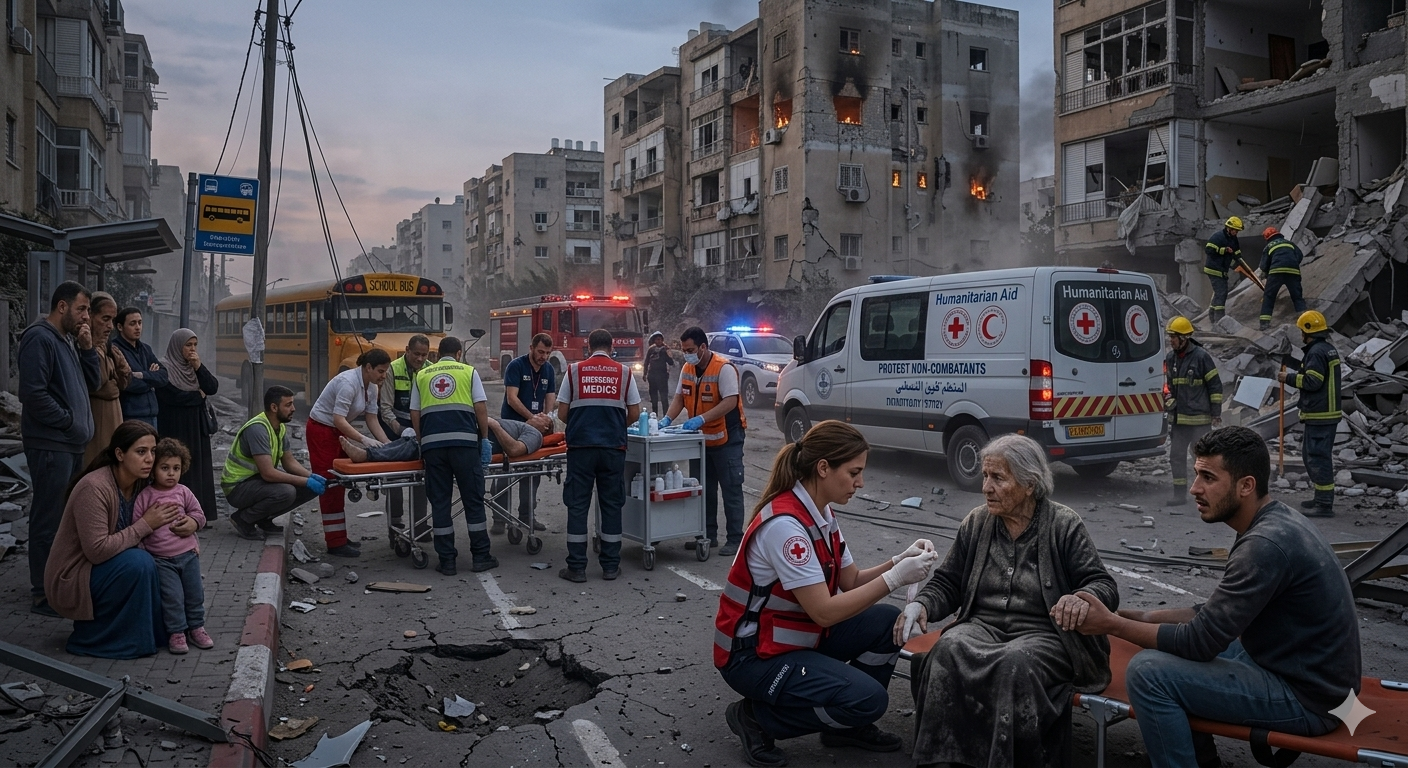
Emergency services and defense forces were placed on high alert, and civilians in affected areas were advised to remain in protected shelters until the threat had passed. Medical teams, firefighters, and rescue workers were deployed to areas where explosions were reported, providing assistance to injured individuals and conducting search and rescue operations.
Both sides reported damage to infrastructure and injuries among civilians and military personnel. Residential buildings, power lines, and communication facilities were among the structures affected by the attacks. Authorities in both countries urged citizens to follow safety guidelines and remain cautious as the situation continued to evolve.
Military analysts believe that the exchange of missile and drone attacks represents a significant escalation in the conflict, increasing the risk of prolonged military confrontation. Security experts warn that continued retaliation from either side could intensify the situation further and potentially involve other countries in the region.
Impact on Civilians
The conflict between Iran and Israel has caused significant disruption to civilian life in both countries. Many people living in affected regions have faced fear and uncertainty as missile alerts, explosions, and security warnings have become increasingly common. Daily activities such as attending school, going to work, and traveling have been interrupted as authorities focus on ensuring public safety.
Hospitals and emergency response teams have been working continuously to treat injured individuals and provide support to affected communities. Medical staff, including doctors, nurses, and paramedics, have been under immense pressure as they respond to emergency situations and care for patients injured during the attacks. Temporary medical centers and emergency shelters have also been established in some areas to assist civilians who require immediate aid.
Residential buildings, roads, and public facilities have reportedly been damaged during the attacks. In several neighborhoods, families have been forced to evacuate their homes and move to safer locations or temporary shelters. Damage to transportation routes and communication networks has further complicated rescue operations and the delivery of essential services.
Humanitarian organizations, including the United Nations and the International Committee of the Red Cross, have expressed concern about the safety and well-being of civilians caught in the conflict. These organizations have urged all parties involved to respect international humanitarian law and take stronger measures to protect non-combatants in conflict zones.
Relief groups are working to provide food supplies, clean drinking water, medical assistance, and psychological support to people affected by the conflict. However, ongoing military activities and security risks have made humanitarian operations more difficult. Experts warn that if the conflict continues for a long period, it could lead to displacement of populations, economic hardship, and long-term humanitarian challenges for civilians in the region.
Global and Economic Impact
The war between Iran and Israel has also had broader international consequences, affecting global transportation, trade, and economic stability. Several airline companies have suspended or rerouted flights through parts of the Middle East due to increased security risks and restricted airspace. Airports in nearby regions have implemented additional safety measures as governments attempt to protect passengers and airline operations.
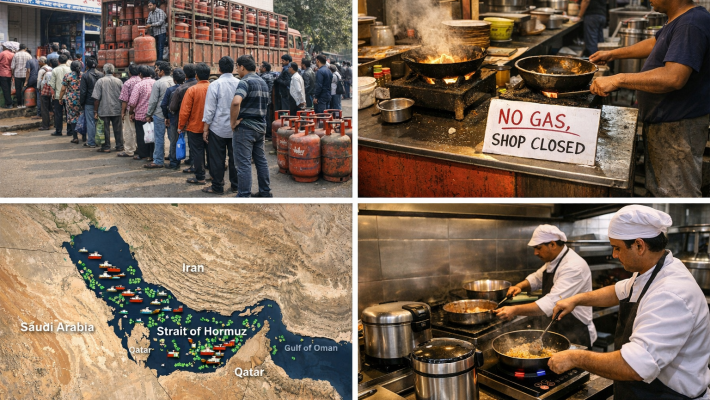
Trade and shipping routes in surrounding waters have also experienced disruptions, raising concerns among international businesses and shipping companies. The Middle East plays a crucial role in global trade and energy transportation, and any instability in the region can have significant ripple effects on international supply chains. Delays in shipping and increased insurance costs for cargo vessels have created uncertainty for businesses that rely on smooth international trade operations.
Rising geopolitical tensions have also caused fluctuations in global oil prices, highlighting the economic impact of the conflict beyond the region. As one of the world’s key energy-producing regions, developments in the Middle East often influence global energy markets. Investors and financial markets have been closely monitoring the situation, leading to volatility in oil prices and concerns about potential increases in fuel costs.
International organizations such as the International Monetary Fund and the World Bank have warned that prolonged conflict in the region could affect global economic growth. Economic analysts suggest that continued instability may result in higher transportation costs, disrupted trade networks, and increased financial uncertainty in global markets.
In addition, tourism in several Middle Eastern countries has also been affected, as travelers reconsider visiting the region due to safety concerns. Experts believe that if the conflict continues for an extended period, the economic consequences could expand further, impacting industries, international investments, and global economic stability.
International Response
Several global leaders and international organizations have urged both Iran and Israel to exercise restraint and avoid further escalation of the conflict. Governments around the world have expressed concern about the growing tensions and the potential risk of the situation developing into a larger regional crisis. Diplomatic statements from various countries have emphasized the importance of dialogue, cooperation, and peaceful conflict resolution.
The United Nations has called for immediate diplomatic dialogue and peaceful negotiations to resolve the crisis. Officials from the organization have urged both sides to respect international law and prioritize the protection of civilians. Emergency meetings and discussions among member states have taken place to address the situation and explore possible diplomatic solutions.
Several world powers have also encouraged mediation efforts in an attempt to reduce tensions between the two nations. Countries with strong diplomatic influence in the region have offered to facilitate negotiations and support peace initiatives. International leaders believe that constructive dialogue and diplomatic engagement are essential to prevent the conflict from spreading to neighboring countries.
Humanitarian organizations and international aid agencies have also appealed for safe access to affected areas so they can provide assistance to civilians impacted by the conflict. These groups have stressed the importance of allowing humanitarian aid, medical supplies, and relief workers to reach communities in need without obstruction.
Despite these diplomatic efforts, analysts warn that achieving an immediate resolution may be challenging due to the deep political and strategic differences between the two countries. However, continued international pressure and cooperation could play a crucial role in encouraging both sides to pursue peaceful negotiations and reduce the risk of further escalation.
Future Outlook
Military analysts warn that if the situation between Iran and Israel continues to escalate, it could potentially lead to a larger regional conflict involving other nations in the Middle East. The region already has complex political alliances and security challenges, and further military confrontation could increase instability across neighboring countries. Experts believe that continued retaliation and military operations may raise the risk of wider geopolitical tensions.
At the same time, diplomatic efforts are ongoing to reduce tensions and bring both sides to the negotiating table. Several countries and international organizations are actively encouraging dialogue and peaceful negotiations in order to prevent the conflict from worsening. The United Nations and other diplomatic institutions have emphasized the importance of communication, compromise, and international cooperation in resolving the crisis.
Observers believe that international cooperation and dialogue will be crucial in achieving a ceasefire and restoring stability in the region. Peace talks, mediation efforts, and diplomatic pressure from global leaders may play an important role in encouraging both sides to move toward a peaceful resolution.
However, analysts caution that reaching a long-term solution may require significant diplomatic effort and trust-building between the two nations. Addressing underlying political disagreements, security concerns, and regional power dynamics will likely be necessary to ensure lasting peace.
Despite the uncertainty surrounding the conflict, many experts remain hopeful that continued international engagement and diplomatic initiatives will eventually help reduce hostilities and create opportunities for negotiation. A stable and peaceful outcome would not only benefit the countries directly involved but also contribute to broader regional security and global stability.
Published Date: 17 March 2026
By : Neeraj Nrj