AI Technologies Mark the Beginning of a New Innovation Cycle in Industries
March 4, 2026 – Artificial Intelligence (AI) is revolutionizing industries around the globe and significantly impacting how businesses are conducted and how people interact with technology.
Healthcare Sees Breakthroughs
AI technologies are helping doctors diagnose patients at earlier stages and are also being used in surgeries with higher precision. Predictive algorithms can now detect potential health risks before symptoms appear, allowing for preventative treatment strategies. AI-driven robotics are also supporting surgeons with enhanced precision during complex procedures.
Businesses -
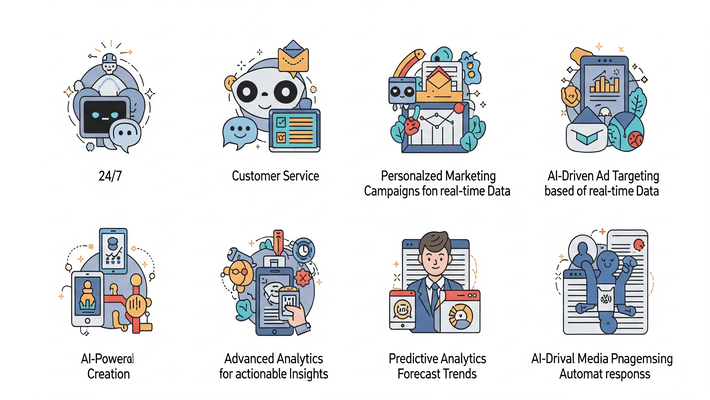
Are increasingly adopting AI and automation technologies like chatbots and smart supply chains, and are also using predictive analytics for higher efficiency and lower costs. Automated customer service chatbots, intelligent supply chain systems, and predictive analytics tools are helping organizations reduce costs while improving customer experiences. Analysts report that AI adoption has significantly accelerated digital transformation efforts globally.
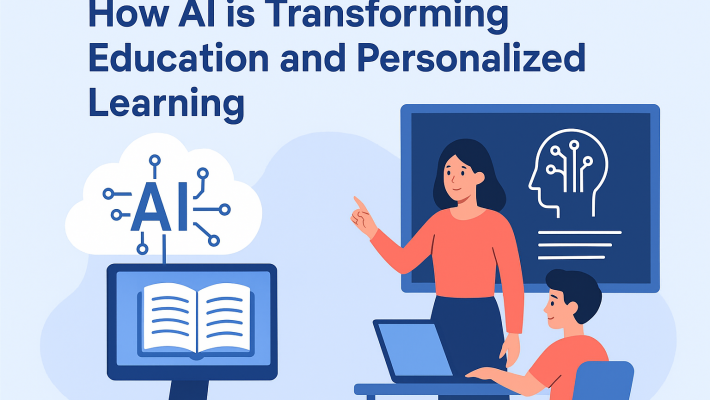
The education - Sector is also witnessing a revolution with adaptive learning technologies and AI-powered virtual learning platforms.. Adaptive learning platforms adjust coursework based on student performance, helping learners progress at their own pace. Virtual tutors powered by AI are also providing round-the-clock academic support.
However, it is also important that AI is developed in a responsible and ethical manner, and governments and tech leaders are coming together to address concerns around AI use.
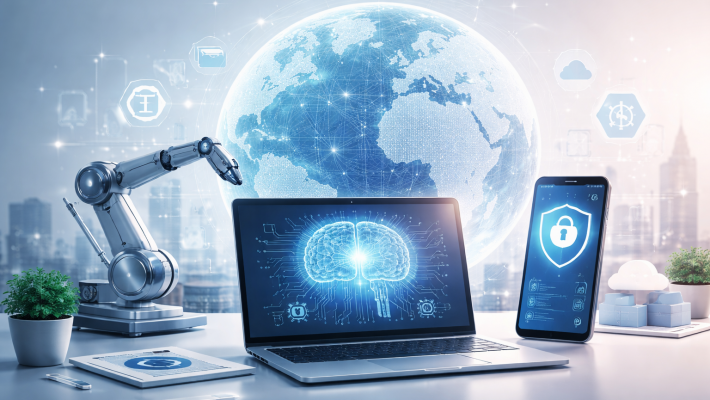
The future of AI is expected to be even brighter as it is expected to be even more autonomous and secure, and will also revolutionize the workforce of the future.
However, AI is not something of the future; it is already here and is revolutionizing every sector of the economy.
Industry leaders predict that AI will continue evolving rapidly over the next decade. Emerging trends such as autonomous systems, AI-enhanced cybersecurity, and human-AI collaboration are expected to shape the future workforce and global economy.
While challenges remain, one thing is clear: AI technologies are no longer a distant vision of the future—they are a present-day reality transforming society at every level.